
Food-to-go is reshaping the retail landscape.
From convenience stores and forecourts to garden centres, retail parks and hospitality destinations, operators are investing in food-to-go concepts that encourage customers to stay longer, spend more and return more often.
But creating a successful food offer is about far more than introducing a recognised brand.
Whether you’re launching a new QSR concept, planning a food-to-go fit out or refurbishing an existing restaurant, success depends on creating an environment that works for customers, staff and the wider business.
The best food-to-go spaces are designed around operational performance, customer experience and long-term commercial value.
At The Jordon Group, we’ve delivered food-to-go environments for brands including Subway and Spud Bros Express, alongside leading coffee shops and wider food retail projects. Every project has reinforced the same principle: the most successful environments are those designed to perform just as well behind the scenes as they do for the customer.
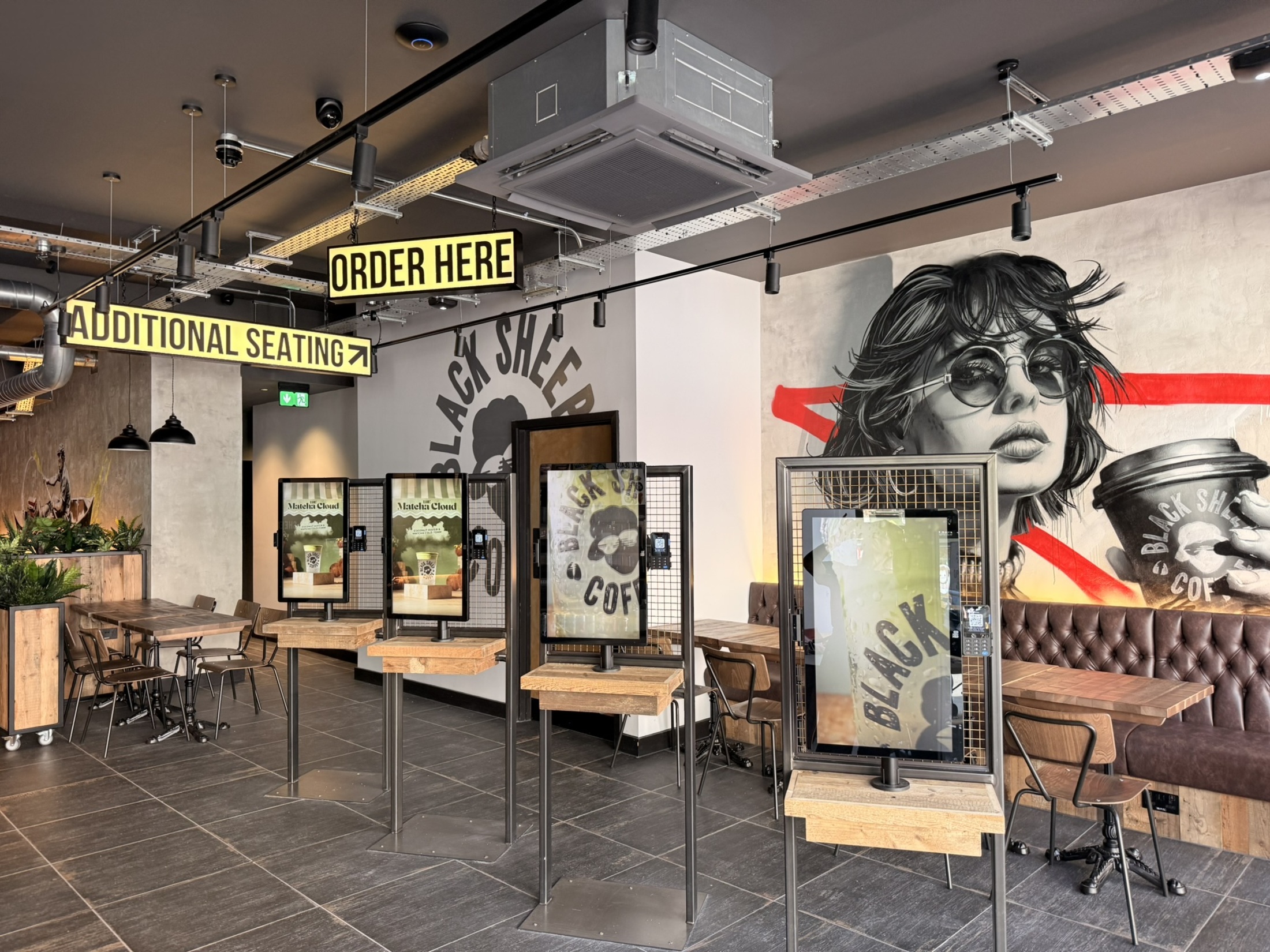
Food-to-go is no longer an added extra
Consumer expectations have changed.
Customers expect quality food that is quick, convenient and easy to access, whether they’re grabbing breakfast on the commute, meeting friends for lunch or picking up dinner on the way home.
As a result, operators are rethinking how they use their retail space.
Branded food concepts are replacing underperforming concessions. Seating areas are becoming destinations rather than waiting spaces. Retail environments are evolving to encourage longer dwell times, increase basket spend and create reasons for customers to return.
Food-to-go is no longer an additional service.
For many operators, it’s becoming a key driver of retail investment.
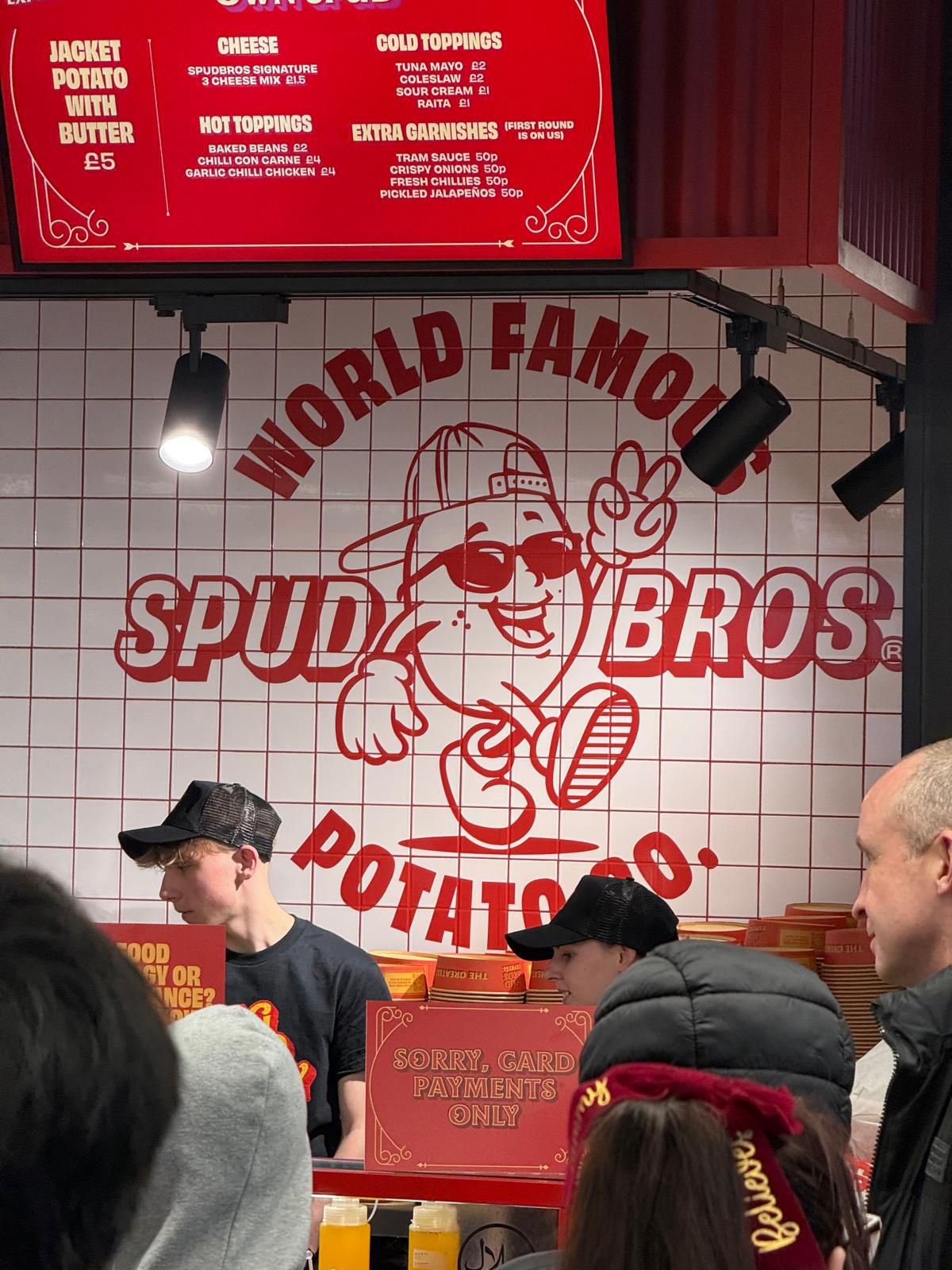
What makes a successful food-to-go fit out?
A successful food-to-go fit out is about much more than finishes and branding.
Every decision should support the way the business operates, from the customer’s first impression to the efficiency of the team working behind the counter.
The strongest food-to-go environments are designed around:
- A clear customer journey
- Efficient queue management
- Well-planned staff workflows
- Intelligent equipment positioning
- Flexible seating where appropriate
- Space that can adapt as customer expectations evolve
When these elements come together, operators can improve customer experience while creating a more efficient and commercially successful environment.

Designing for operational performance, not just appearance
Great design should make a business easier to run.
Customer flow, queue management, kitchen layout, refrigeration, ventilation and lighting all influence how efficiently a food-to-go environment performs once it’s open.
A well-planned food retail fit out can help operators:
- Improve customer flow
- Reduce queue times during busy trading periods
- Increase speed of service
- Support staff productivity
- Maximise available trading space
- Deliver a more consistent customer experience
These operational improvements often have just as much impact on profitability as the quality of the food itself.

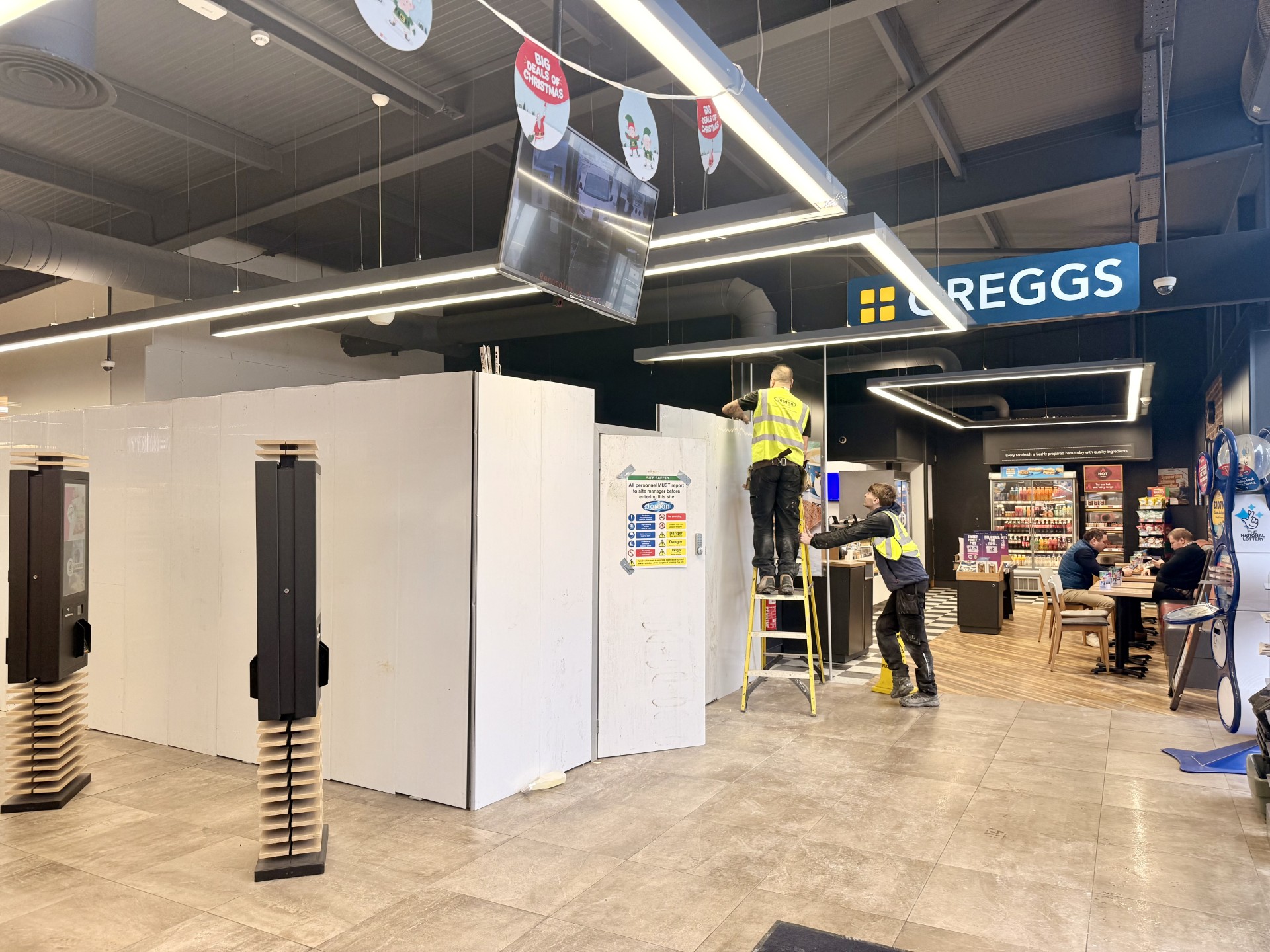
Delivering food-to-go refurbishments in live trading environments
Many food-to-go refurbishments are delivered while businesses continue trading.
Whether it’s a forecourt, convenience store, garden centre or retail park, closing the doors often isn’t an option.
Successful live trading refurbishments rely on careful planning, phased programmes and close coordination between every discipline involved.
When managed effectively, operators can continue serving customers while improvements are completed safely, efficiently and with minimal disruption.
Why integrated delivery matters
A modern food-to-go project rarely relies on one specialist.
It often requires multiple disciplines working together, including:
- Shopfitting
- Refrigeration
- HVAC
- Electrical services
- Planned preventative maintenance
- Remote monitoring
Managing these services through a single retail fit out contractor simplifies communication, reduces programme risk and provides continuity from design through to completion and ongoing support.
For operators planning multiple locations or future rollouts, this integrated approach also helps deliver greater consistency across every site.
Investing in environments built for long-term performance
Food-to-go is no longer confined to one sector.
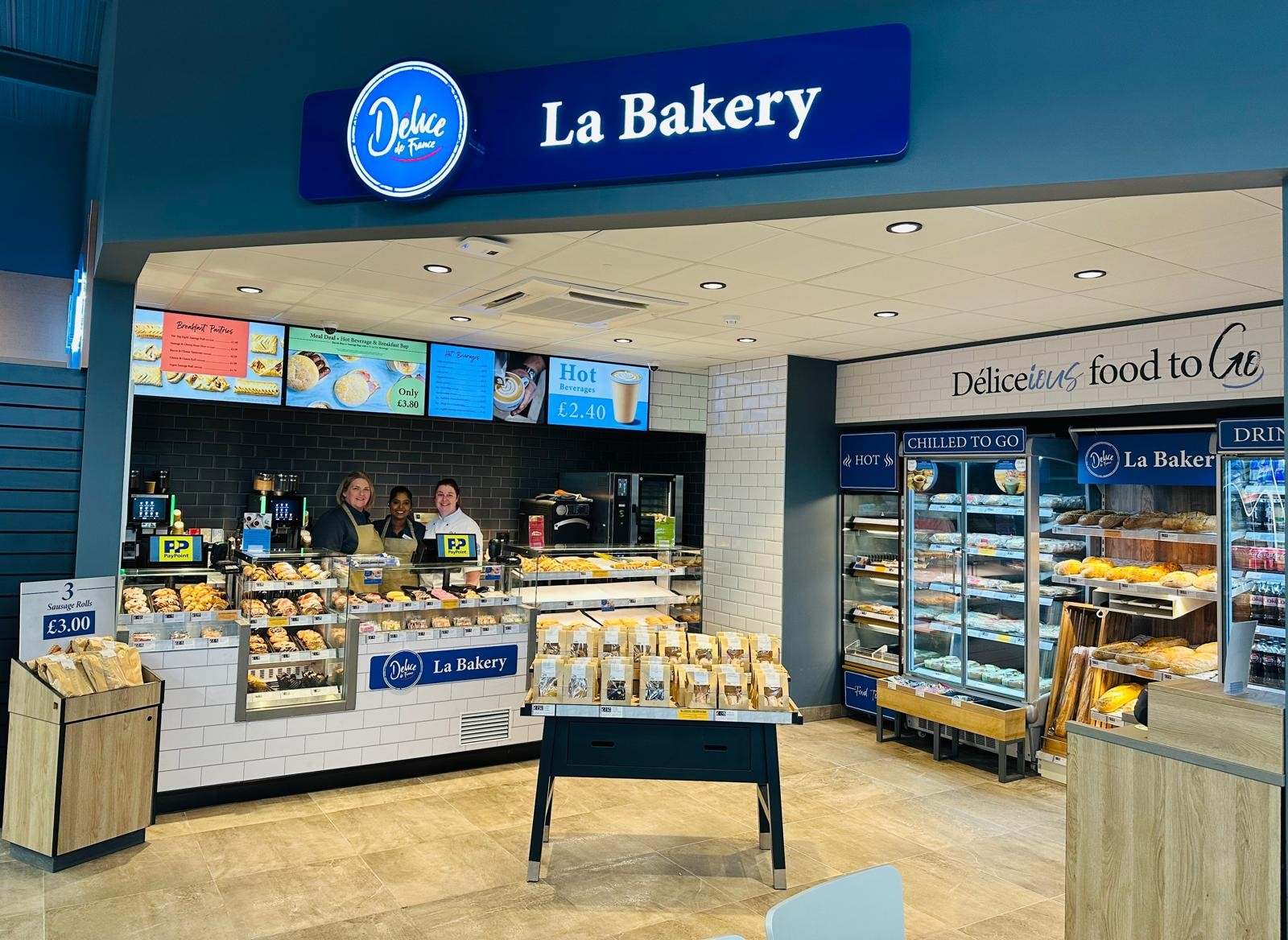
Today, successful food-to-go environments can be found across convenience retail, forecourts, garden centres, hospitality venues, retail parks and high streets.
Whether it’s a branded concession, coffee shop or quick-service restaurant, the principles remain the same.
Successful environments combine thoughtful design with operational efficiency, integrated delivery and a clear understanding of how customers interact with the space.
As customer expectations continue to evolve, operators who invest in well-planned food-to-go environments will be better positioned to adapt, compete and grow.
Key takeaways
- Food-to-go is driving the next wave of retail investment, helping operators increase footfall, basket spend and customer loyalty.
- A successful food-to-go fit out focuses on operational performance, balancing customer experience with day-to-day efficiency.
- Customer flow, speed of service and staff productivity should be considered from the earliest stages of design.
- Live trading refurbishments require careful planning to minimise disruption while businesses remain operational.
- Bringing shopfitting, refrigeration, HVAC and electrical services together under one contractor can simplify delivery and reduce project risk.
- The most successful food-to-go environments are built for long-term performance, not just opening day.
Frequently asked questions
What is a food-to-go fit out?
A food-to-go fit out is the design, refurbishment or construction of a retail environment where food is prepared, displayed and served. Projects often include shopfitting, refrigeration, HVAC, electrical services, seating areas and customer flow planning.
How do you refurbish a food-to-go space while remaining open?
Many food-to-go projects are completed within live trading environments using phased programmes, out-of-hours working and careful coordination. This allows businesses to continue serving customers while refurbishment works are carried out with minimal disruption.
What should be included in a food-to-go fit out?
A successful food-to-go fit out should consider customer journey, counter layout, refrigeration, ventilation, lighting, accessibility, seating and operational efficiency. Every element should support both the customer experience and the day-to-day operation of the business.
Which sectors benefit from food-to-go fit outs?
Food-to-go environments are now common across convenience stores, forecourts, garden centres, retail parks, hospitality venues and high street locations. As customer expectations continue to evolve, more operators are investing in food-led retail environments that encourage repeat visits and increased spend.
Planning a food-to-go fit out?
Whether you’re introducing a new concession, refurbishing an existing restaurant or delivering a multi-site rollout, creating the right environment is just as important as choosing the right brand.
The Jordon Group brings together shopfitting, refrigeration, HVAC, electrical services and maintenance to deliver food-to-go environments designed around operational performance and long-term value.
Explore our related case studies:
Or contact our team to discuss your next food-to-go fit out.