
Where retailers are investing in store upgrades for 2026 – based on what’s working, not what’s fashionable.
Not long ago, most store upgrades started with a simple question:
“What needs refreshing?”
That question doesn’t come up very often anymore.
Today, retailers are asking something far more direct:
“What will still be working, and paying its way, in five years’ time?”
According to Paul Jordon, Managing Director of The Jordon Group, this shift has been unavoidable.
“Retailers don’t have the luxury of cosmetic decisions anymore. Every upgrade has to earn its keep. If it doesn’t reduce risk, improve performance or protect margin, it usually doesn’t get signed off.”
Across retail estates, that reality is pushing four areas consistently to the top of investment decisions.
- Refrigeration and energy: the costs that never stop running
Refrigeration, HVAC and lighting are relentless. They don’t pause when footfall dips or energy prices rise, they just keep consuming.
Paul sees this as one of the biggest mindset changes in recent years.
“Energy efficiency used to be treated as a ‘nice to have’. Now it’s one of the fastest ways retailers can stabilise their running costs. It’s not about being green, it’s about control.”
Upgrades such as chiller doors, modern refrigeration systems and LED lighting are being prioritised because they deliver immediate, measurable impact:
- Lower energy consumption
- More consistent store conditions
- Reduced long-term operating costs
Retailers moving fastest here are those treating energy performance as infrastructure, not an initiative.
- Store formats that earn their space
With margins under constant pressure, underperforming space has become a liability.
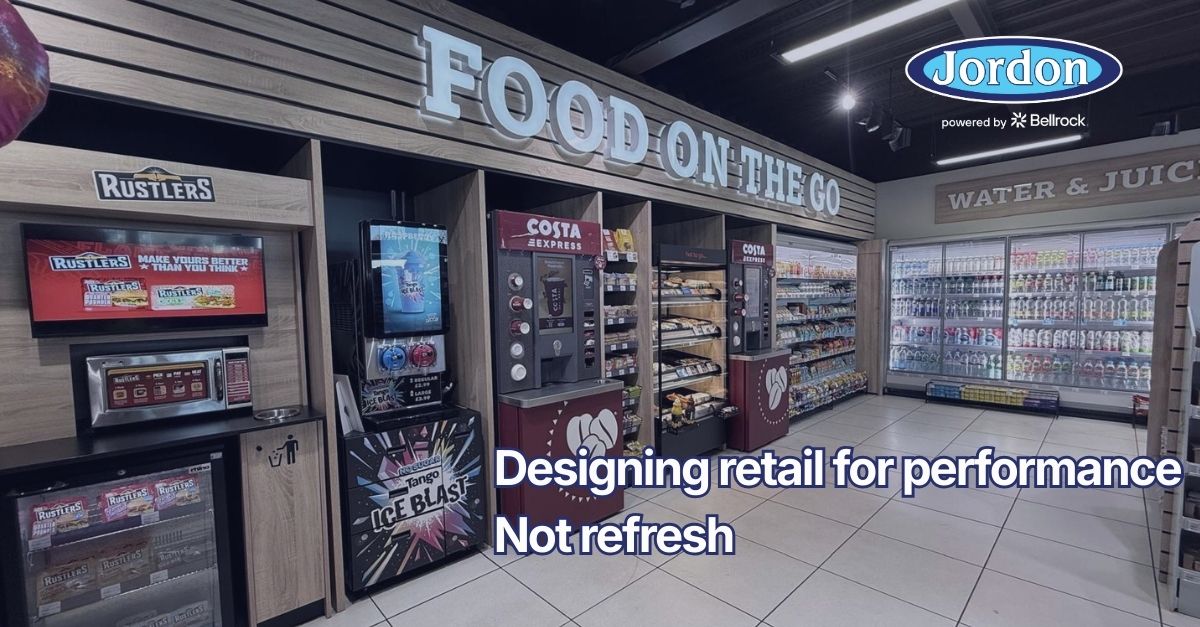
Retailers are increasingly investing in store formats that deliver reliable return, particularly food-to-go and branded concessions.
Paul notes that this isn’t about chasing trends.
“What we’re seeing is retailers doubling down on formats they know work. Food-to-go and branded concessions give them speed, familiarity and margin, all within a controlled footprint.”
These investments are designed to:
- Drive repeat visits
- Increase transaction value
- Generate higher-margin sales without expanding store size
Space now has to work harder – and prove it can.
- Layouts that support operational flow, not just aesthetics
Operational inefficiency is expensive, but it’s often hidden.
Poor layouts lead to wasted energy, slower workflows and equipment working harder than it should. That’s why operational flow is becoming a serious investment priority.
“A lot of inefficiency is designed in – not because anyone got it wrong, but because stores have evolved over time. Retailers are now stepping back and asking how their stores actually operate day to day.”
Smarter zoning, better lighting design and more considered layouts are helping retailers:
- Reduce over-lighting and unnecessary energy use
- Improve staff movement and productivity
- Create better customer flow without adding complexity
The result is stores that perform better behind the scenes – where it really counts.
- From firefighting to lifecycle thinking
One of the most significant shifts Paul highlights is the move away from reactive fixes.
“Firefighting is one of the most expensive ways to run an estate. It feels cheaper in the moment, but it always costs more in the long run.”
Ageing or poorly maintained equipment doesn’t just fail unexpectedly, it:
- Consumes more energy
- Shortens asset life
- Increases downtime at critical trading periods
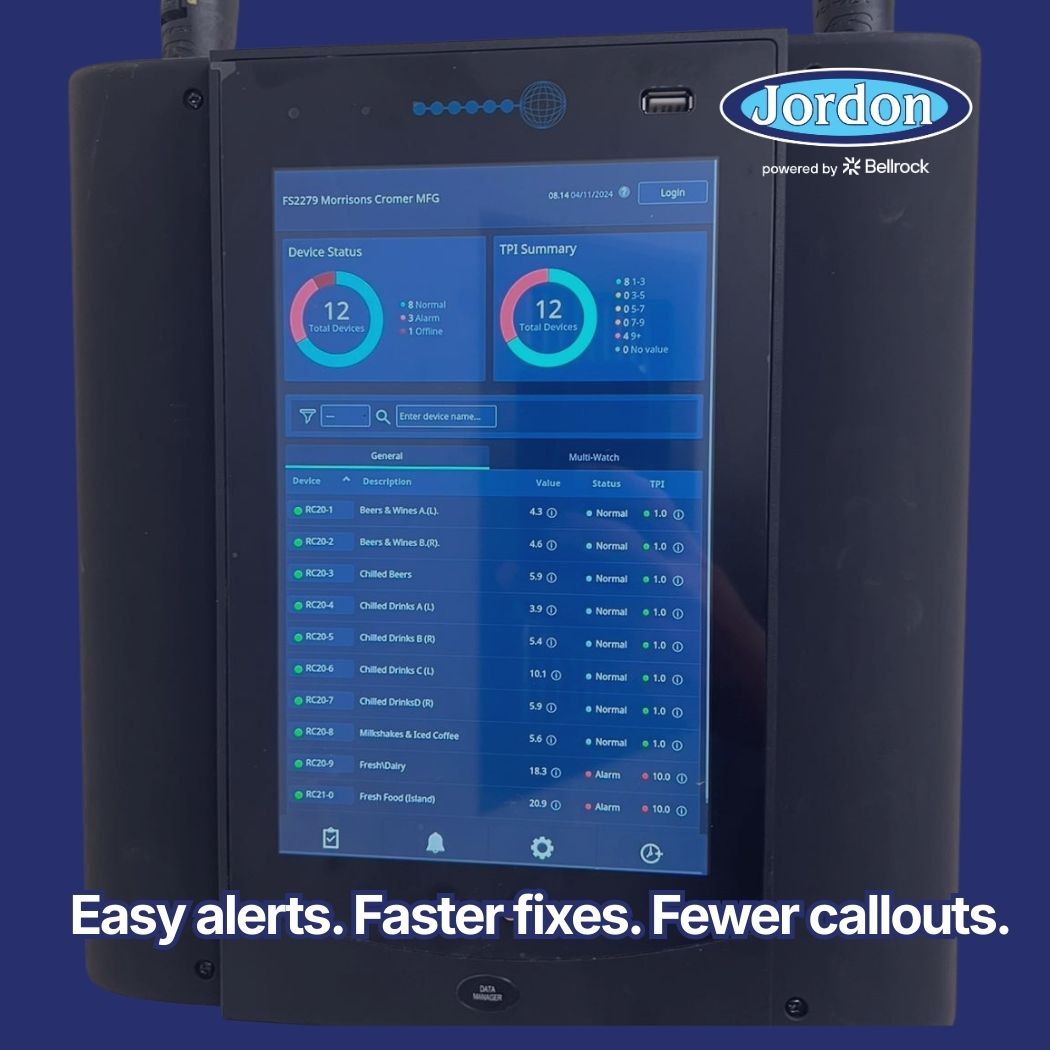
Retailers are increasingly investing in remote monitoring, planned maintenance and lifecycle-led replacement to regain control, reduce disruption and protect capital investment.
The real shift behind these decisions
What’s changed isn’t just what retailers are upgrading – it’s why.
Paul puts it simply:
“Sustainability hasn’t disappeared. It’s just stopped being a headline and started being part of every sensible decision.”
Rather than standalone initiatives, sustainability now shows up through:
- Energy efficiency
- Asset longevity
- Operational resilience
- Smarter use of space and equipment
Retailers aren’t investing to look sustainable.
They’re investing to stay competitive, stable and in control.
And that’s why these four areas are rising – quietly, commercially and decisively – to the top of investment decisions for 2026.
Want store upgrades for 2026 that deliver performance, control and resilience? Speak to The Jordon Group, part of Bellrock Group, and we will help you prioritise the right investments and deliver them with minimal disruption.