
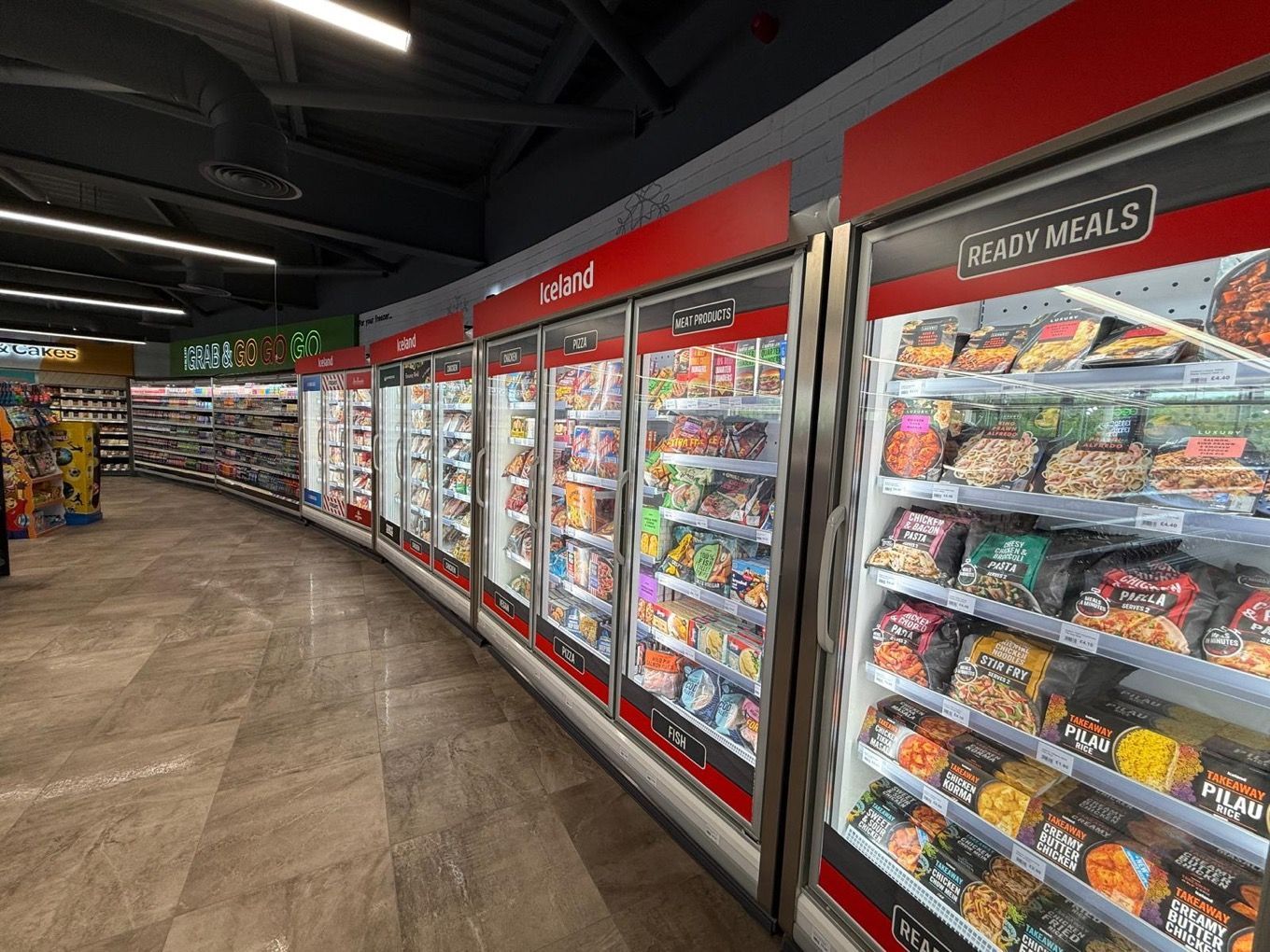
The refrigerant landscape is evolving.
Refrigerant regulations 2026, continued F Gas phase down measures and increasing focus on carbon performance are reshaping commercial refrigeration across the UK.
For businesses operating refrigeration and HVAC systems, whether across a single site or a wider estate, this shift is no longer a future consideration. It is influencing refrigerant availability, system specification, maintenance planning and long-term investment decisions.
The transition to lower GWP refrigerants is not simply a technical adjustment.
It reshapes procurement strategy, influences lifecycle planning and places greater emphasis on workforce capability.
The question is not whether change is coming.
It is how well prepared businesses are to navigate it.
What Refrigerant Regulations 2026 Are Changing in Practice
The revised regulatory framework reduces the volume of high Global Warming Potential refrigerants placed on the market through staged quota reductions. Over time, this tightens supply of commonly used HFCs and increases reliance on lower GWP alternatives.
In practice, this has three practical implications.
First, availability becomes less predictable. As quotas reduce, cost fluctuation and supply pressure can increase, particularly for legacy refrigerants.
Second, system replacement decisions carry greater long-term consequence. Equipment specified today must remain serviceable and compliant throughout its operational life.
Third, compliance responsibility becomes more visible. Record keeping, leak detection and handling standards are already established under F Gas regulations, but the commercial sensitivity around refrigerant choice is increasing.
Refrigerant regulations 2026 therefore influence not only what is installed, but how refrigeration assets are managed over time.

The Shift to Lower GWP Refrigerants
Lower GWP refrigerants such as A2L blends, CO2 and hydrocarbons are becoming more common across commercial refrigeration applications.
Each brings its own design and operational considerations.
System Design and Safety Considerations
Alternative refrigerants may involve:
• Different operating pressures
• Revised safety classifications
• Updated component compatibility requirements
• Additional ventilation or monitoring considerations
This is not a direct like-for-like replacement of one gas for another.
Implications for Independent Retailers and Estates
For independent retailers, the priority may be understanding how refrigerant regulations affect an ageing multideck or integral cabinet.
For larger operators, the focus may sit within structured capital planning and standardised specification across multiple sites.
In both cases, refrigerant choice increasingly forms part of broader modernisation strategy rather than a reactive maintenance decision.
Refrigerant Phase Down and Business Risk
Refrigerant regulations 2026 should not be viewed solely through a compliance lens.
They intersect with:
• Asset longevity
• Energy performance
• Maintenance forecasting
• Insurance and safety considerations
• Capital expenditure timing
As a result, businesses that delay review of refrigerant strategy risk facing compressed decision-making later, particularly if supply tightens or regulatory thresholds shift again.
On the other hand, integrating refrigerant transition planning into refurbishment cycles or HVAC upgrades allows for measured investment and reduced operational disruption.
The most resilient approach is one that treats refrigerant choice as part of infrastructure planning, not a standalone compliance task.
Workforce Capability and F Gas Compliance
As the refrigerant phase down progresses, technical competence becomes central to risk control.
Lower GWP refrigerants may introduce additional safety protocols or installation requirements. Engineers must remain aligned with evolving F Gas compliance standards and best practice guidance.
For smaller businesses in particular, access to affordable refresher training and up-to-date technical resources will be critical.
The refrigerant transition represents a sustained evolution in standards, technologies and skillsets across commercial refrigeration.
Workforce readiness therefore becomes part of long-term operational stability.
A Measured Approach to Refrigerant Regulations 2026
Refrigerant regulations 2026 do not require immediate wholesale replacement of compliant systems.
However, they do require clarity.
Businesses reviewing refrigeration assets today should consider:
• Which refrigerants are currently in use
• How future quota reductions may affect servicing
• Whether upcoming refurbishment projects provide opportunity for transition
• How workforce capability aligns with emerging standards
Therefore, early assessment provides flexibility. Late reaction limits options.
The refrigerant transition is progressing steadily. Organisations that approach it analytically, with a view to long-term resilience rather than short-term compliance, will be better positioned to manage cost, risk and performance.
Given the number of practical questions surrounding refrigerant regulations 2026, we have addressed some of the most common below.
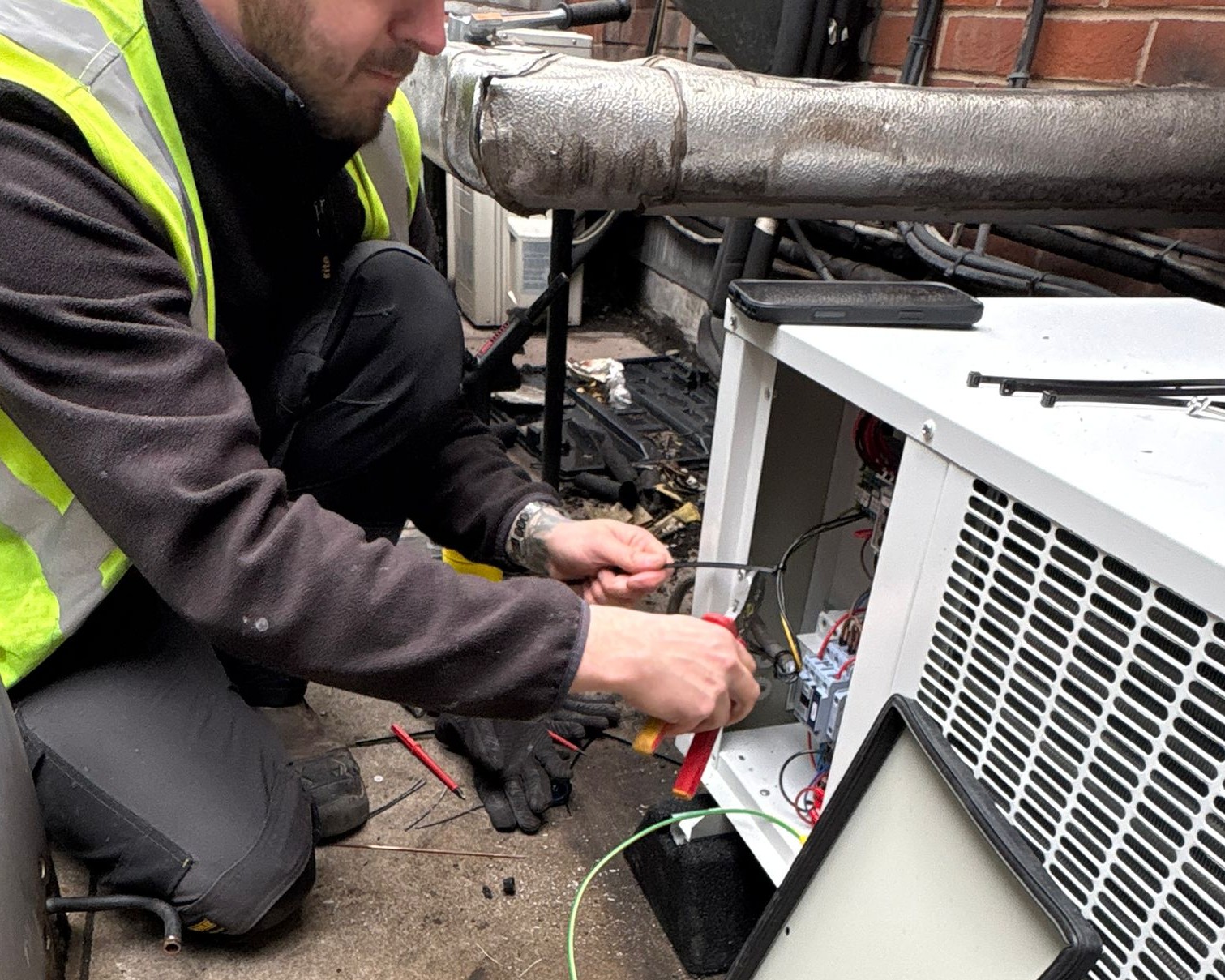
Common Questions Around Refrigerant Regulations 2026
What are refrigerant regulations 2026?
Refrigerant regulations 2026 refer to the continued phase down of high GWP refrigerants under revised F Gas rules. The framework reduces the volume of certain HFC refrigerants placed on the market and encourages the adoption of lower GWP alternatives across commercial refrigeration and HVAC systems.
Is R404A being banned in the UK?
R404A is not immediately banned in all systems, but it is heavily restricted due to its high Global Warming Potential. Its availability is increasingly limited under the refrigerant phase down, and long-term reliance on high GWP refrigerants such as R404A may become commercially challenging.
Do I need to replace my refrigeration system in 2026?
Refrigerant regulations 2026 do not automatically require immediate system replacement if equipment remains compliant and serviceable. However, businesses should review refrigerant type, servicing plans and future availability to avoid reactive decisions later.
What are low GWP refrigerants?
Low GWP refrigerants are alternatives designed to reduce environmental impact compared to traditional HFC gases. Examples include A2L blends, CO2 and hydrocarbon refrigerants. Each has specific design, safety and installation considerations.
How do refrigerant regulations affect independent retailers?
For independent retailers, the main considerations are refrigerant availability, servicing costs and long-term equipment planning. Early review of refrigeration assets can help manage cost, ensure compliance and reduce disruption as the refrigerant transition progresses.
If you would like to review how refrigerant regulations 2026 may affect your systems, speak to our team.
The Jordon Group, part of the Bellrock Group.